

Spring is many anglers' favourite time of year, and pike fishing in particular stirs the passions. After winter, pike become active and prepare for spawning, which affects their movements and behaviour. In this article, we take a comprehensive look at spring pike fishing, including the effects of the spawning season, the best fishing spots, the most effective lures and techniques, as well as current trends and tips for successful pike fishing.
Pike Spawning and Its Effects on Fishing
In spring, pike move into shallow, warming waters to prepare for spawning. Spawning usually takes place in April–May, but the timing may vary depending on the body of water and weather conditions. In Finland, pike begin spawning when the water temperature rises to about 4–10 degrees.
Spawning sites are usually:
- Shallow, sheltered bays
- Reed beds, grassy inlets and flooded meadows
- Sheltered bays and straits near the shore
The spawning season has a significant effect on fishing. Before spawning begins, pike are aggressive and fuel up on energy for the strain ahead, which makes them easy targets. During spawning they may be more passive, but hungry fish can still be found near the spawning sites. Immediately after spawning, pike may rest and be less active for a short while, but they quickly return to normal hunting behaviour.
Where Can Pike Be Found in Spring?
For spring pike fishing, it is important to understand where pike move during the different stages of spawning.
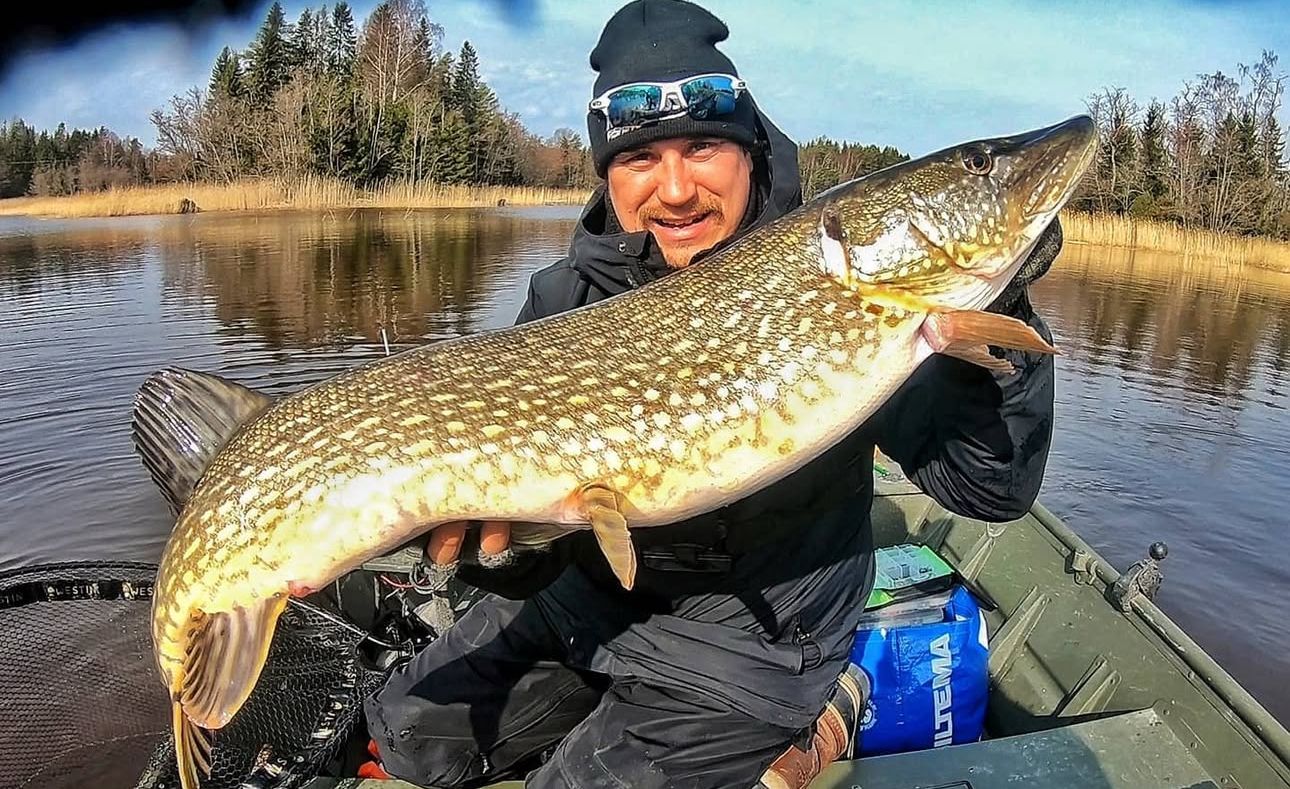
- Before spawning:
- Pike concentrate in shallow, quickly warming waters, such as sheltered bays and the vicinity of reed beds.
- The edges of more open waters and the shoals near deep areas are also potential fishing spots.
- During spawning:
- Pike are found in shallow areas with dense vegetation.
- They may be harder to entice to strike a lure, but pike along the edges of spawning areas can be very active.
- After spawning:
- Spawned pike gradually move into deeper water, but may still remain in warm shallows.
- They move in search of food, so it is worth watching areas with small fish and other pike prey.
The Best Lures for Spring Pike Fishing
In spring, pike can be selective, so choosing the right lure is important. Effective lures include:
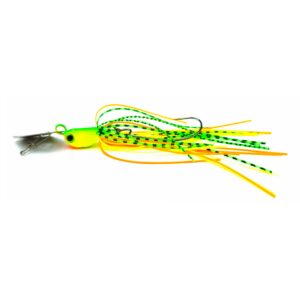
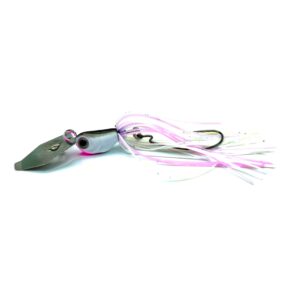
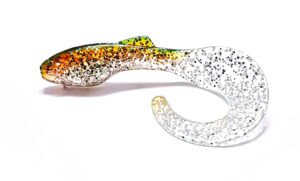
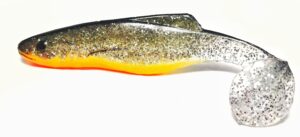
- Shads: Large jigs retrieved slowly are effective, especially in cool water.
- Jerkbaits: Slowly sinking, responsive jerkbaits work well, particularly in shallow water.
- Spinnerbaits: These are good after the spawning season, when pike are active and look for fast-moving targets.
- Large spoons: Slow retrieval in shallow water can entice large pike, especially before spawning.
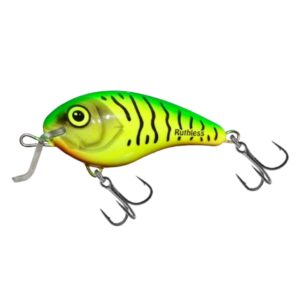
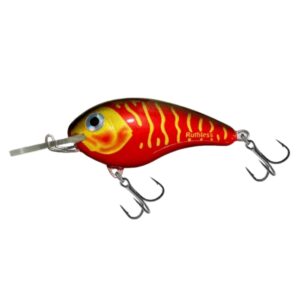
- Wobblers: Soft-swimming, slowly floating wobblers can be deadly effective, especially in cold water.
Fishing Techniques for Spring Pike
Working your lure the right way can make or break the day's catch. Here are a few effective techniques for spring fishing:
- Slow and steady retrieve
- In spring the water is still cool, so pike may not have the energy to chase fast lures. A slowed retrieve with pauses can tempt even the more cautious fish to strike.
- Pausing and twitching the lure
- Jerkbaits and jigs should be worked so that they include pauses and light twitches. This imitates an injured fish, which is an easy meal for a pike.
- Fishing close to the surface
- In spring, pike like to stay near the surface in the warmer water layers, so lures should be worked as shallow as possible.
- Casting and precise targeting
- When pike are in shallow water, accurate casts into gaps in the reeds, along the edges of reed beds and between rocky areas can be decisive.
Customizing Lures for Pike Fishing
If you would like to improve the effectiveness of your lures, try the following tricks:
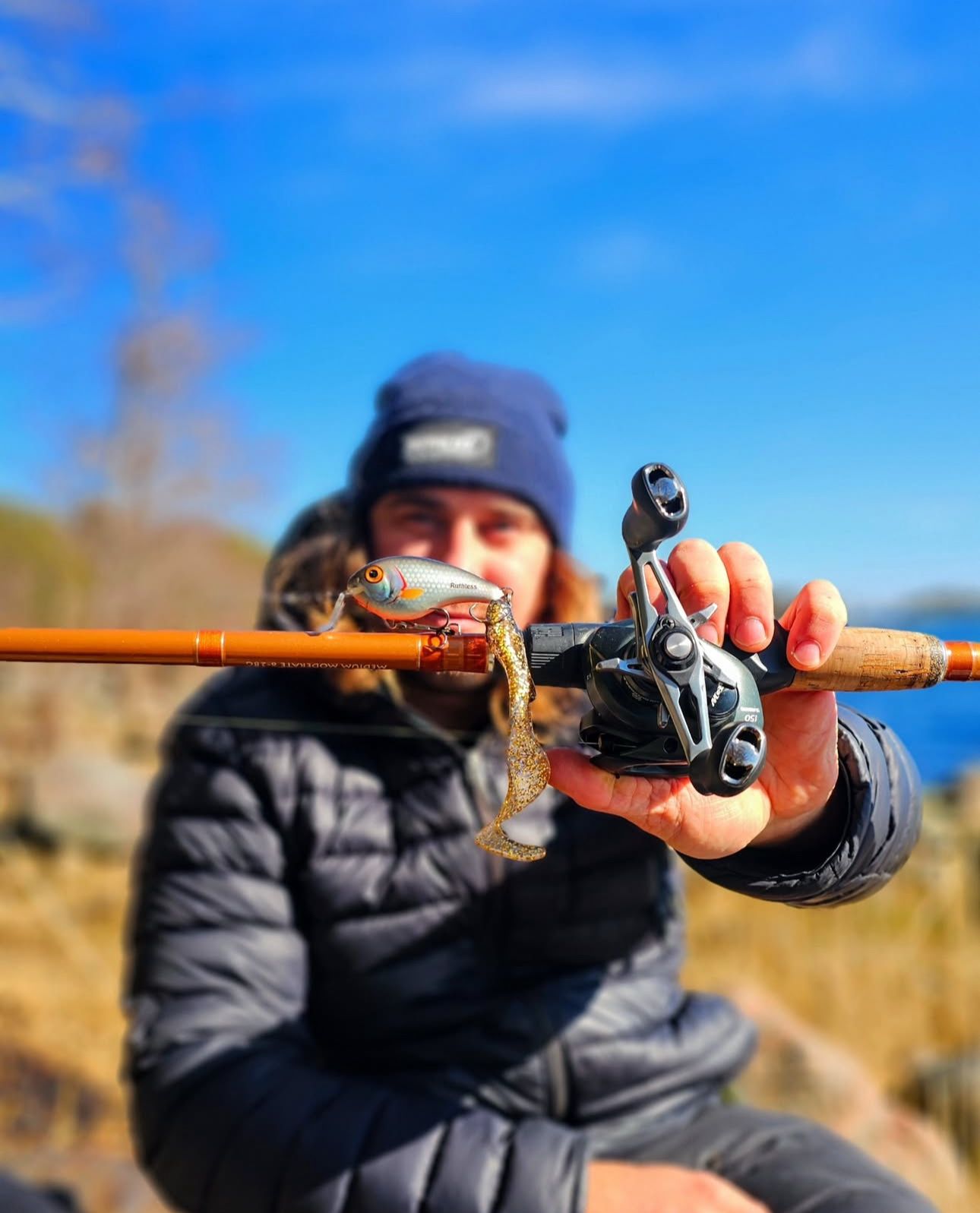
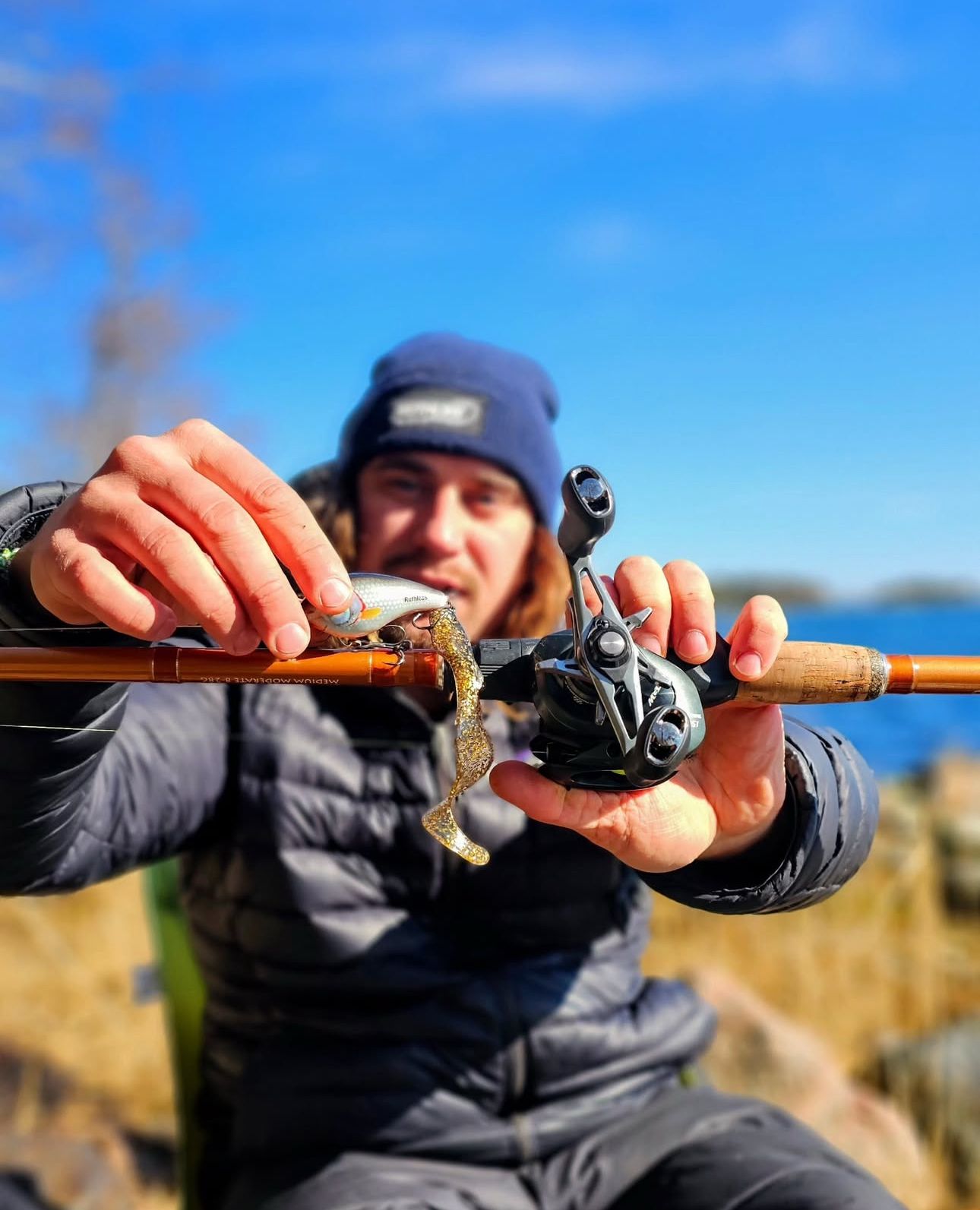
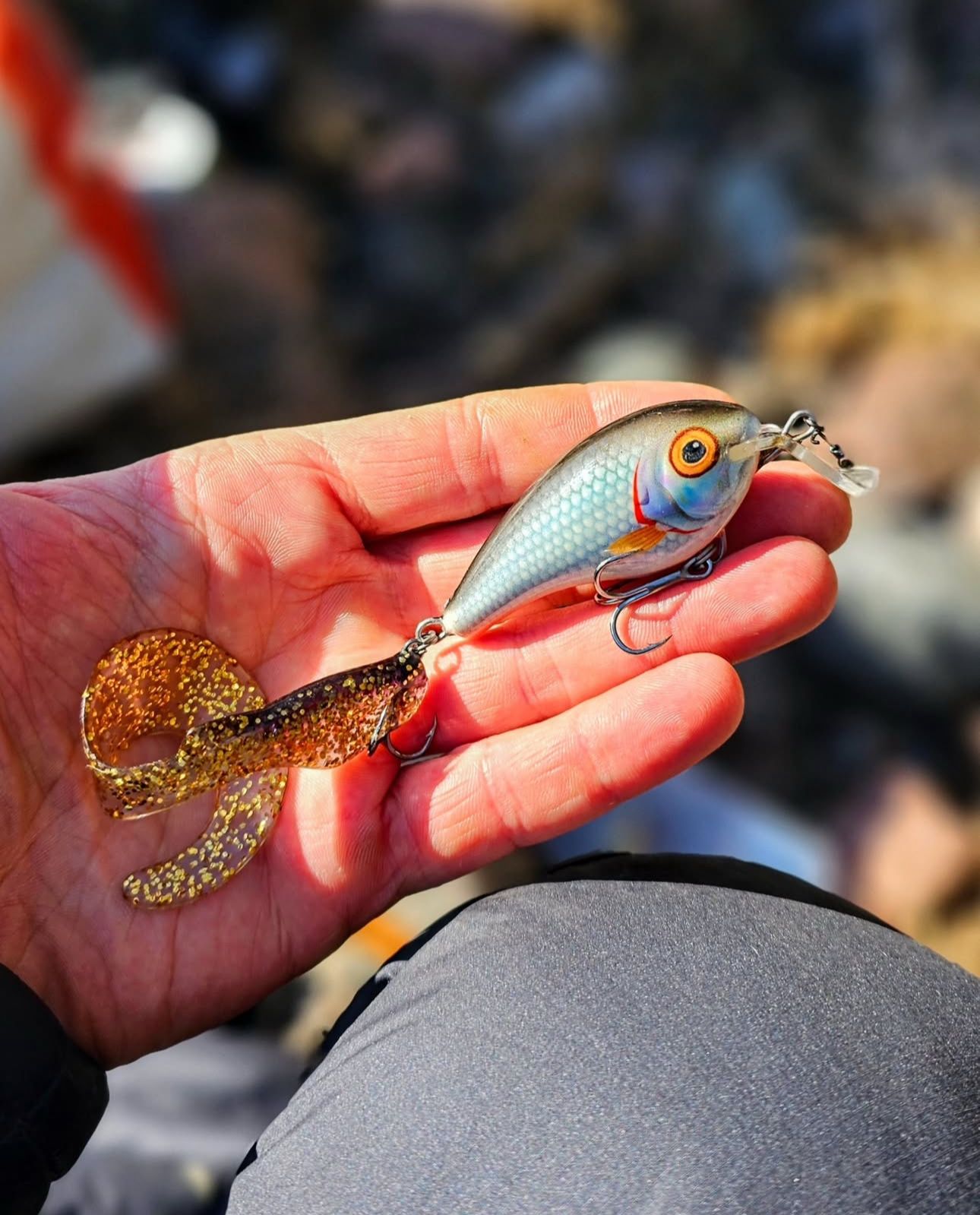
- Add tassels, feathers or other elements: For example, spoons, shads or jerkbaits can be given extra life.
- Switch to a larger hook: This can improve hooking and help keep the fish on better. Many people also use bright UV hooks on pike lures and rigs.
- Coloring: Try customizing your pike jigs with, for example, jig marker ink. Red streaks, stripes or dots on a neutral jig can often awaken a predator's instincts.

Jarno Kangas
Fishing content creator / Blog writer
Fishing Guide Student
Latest Posts
-
 BLACK FRIDAY – THE MOST ANTICIPATED SALE WEEK OF THE YEARNovember 6, 2026/0 Comments
-
 CHRISTMAS GIFT IDEAS FOR ANGLERS – DISCOVER OUR SELECTIONNovember 6, 2026/
-

-
 Ruthless Fishing Hard Lures for SummerJune 26, 2026/