Tips for Casting with Crankbaits
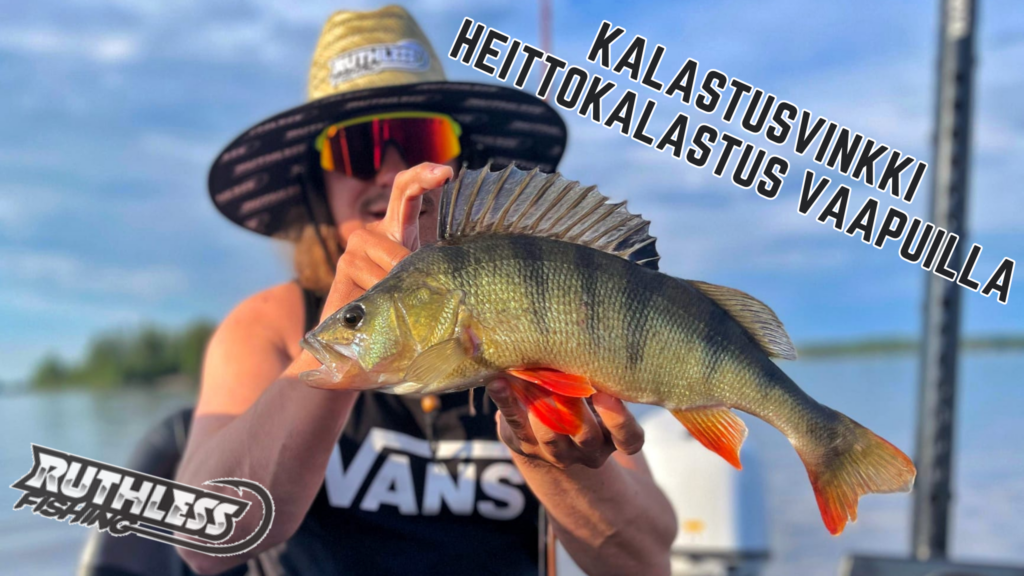
Crankbaits are among the most traditional lures, imitating a small fish in both shape and swimming action. For many people, however, the first thing that comes to mind with crankbaits is "trolling". Crankbaits are nevertheless also excellent for casting, and they can occasionally produce superb catches. Today's advanced fishing tackle industry and correctly matched equipment also give even lighter lures ideal casting distances.
What Equipment Is Needed for Casting with Crankbaits?
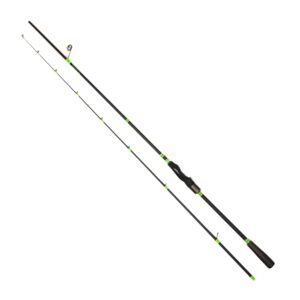
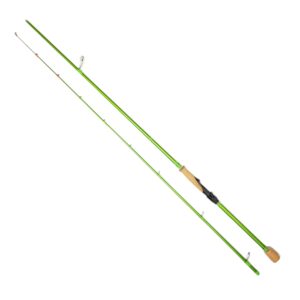
When fishing with crankbaits, the most important piece of equipment is the rod, and it must be correctly matched. Crankbaits generally weigh well under 10 grams, and with a slow, stiff rod the casting distance suffers considerably. The choice is also greatly influenced by the fish you are targeting.
For soft-mouthed fish such as perch, rainbow trout and brown trout, the recommended lure weight is between 1 and 15 grams. The rod action is partly a matter of taste, but for perch the rod should preferably be tip-action with a fast or extra fast taper. A tip-action rod and fast action already do part of the work when casting lighter lures. With salmonids, many people also like slightly slower rods with a more full-length action. With these, you simply need to make sure that the rod's action is sufficient even for the lightest crankbaits.
If the rod is also to be used for fish that require more backbone, such as zander, the recommended lure weight can be set between 5 and 30 grams. The rod action should preferably remain fast, but it can also be a medium-tip action so that even larger zander can be hooked securely.
If you have in mind an "all-rounder" rod that is pleasant for casting lighter crankbaits as well as heavier hard baits, and whose action also suits both soft-mouthed and hard-mouthed fish, our Ruthless Glass Series rod is the perfect choice!
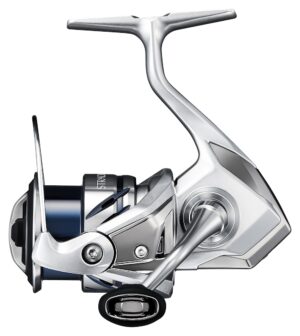
Suitable reels are open-faced spinning reels in sizes 1000-2500 or baitcasting reels in sizes 100-200. The most important thing in choosing a reel, however, is that it feels comfortable to the angler and is balanced with the rod being used.
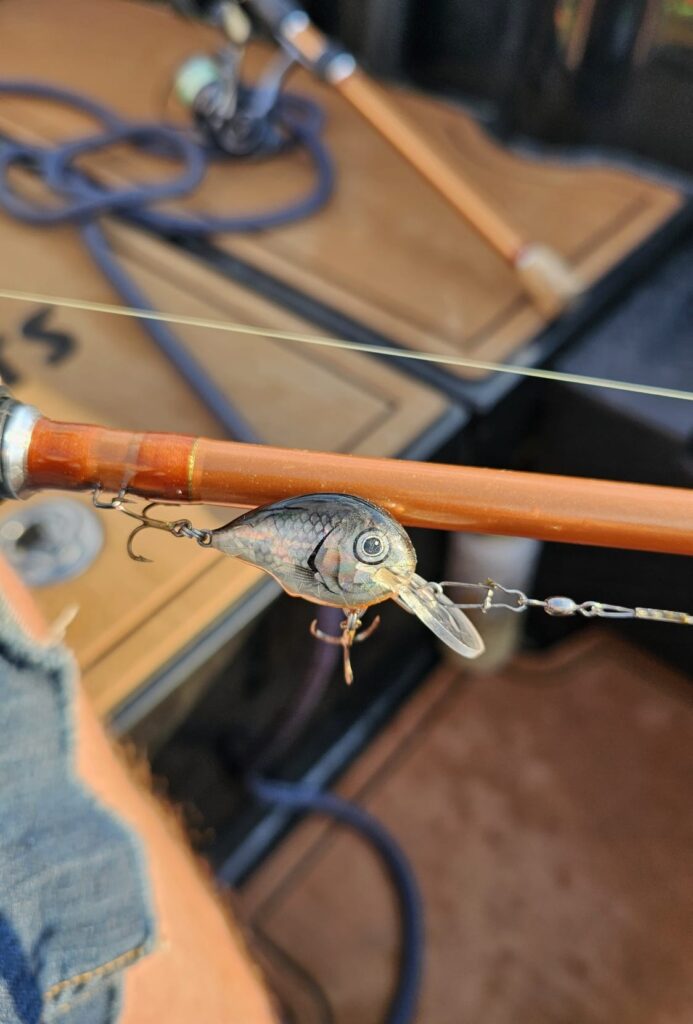
For the main line, choose the thinnest braided line possible to minimize wind resistance. Light, long-bodied crankbaits already create resistance to the wind, and if too thick a braided line is used, this too has a surprisingly negative effect on casting distance. For the leader, you should also definitely use the thinnest fluorocarbon possible, or, if you are fishing only for perch and there is no great risk of zander or pike, the best option is to tie the crankbait directly to the line or to a lure snap. If you are using small 3-5cm crankbaits, a traditional wire leader can hamper the swimming action of a small crankbait surprisingly much.
Where and When Should You Cast Crankbaits?
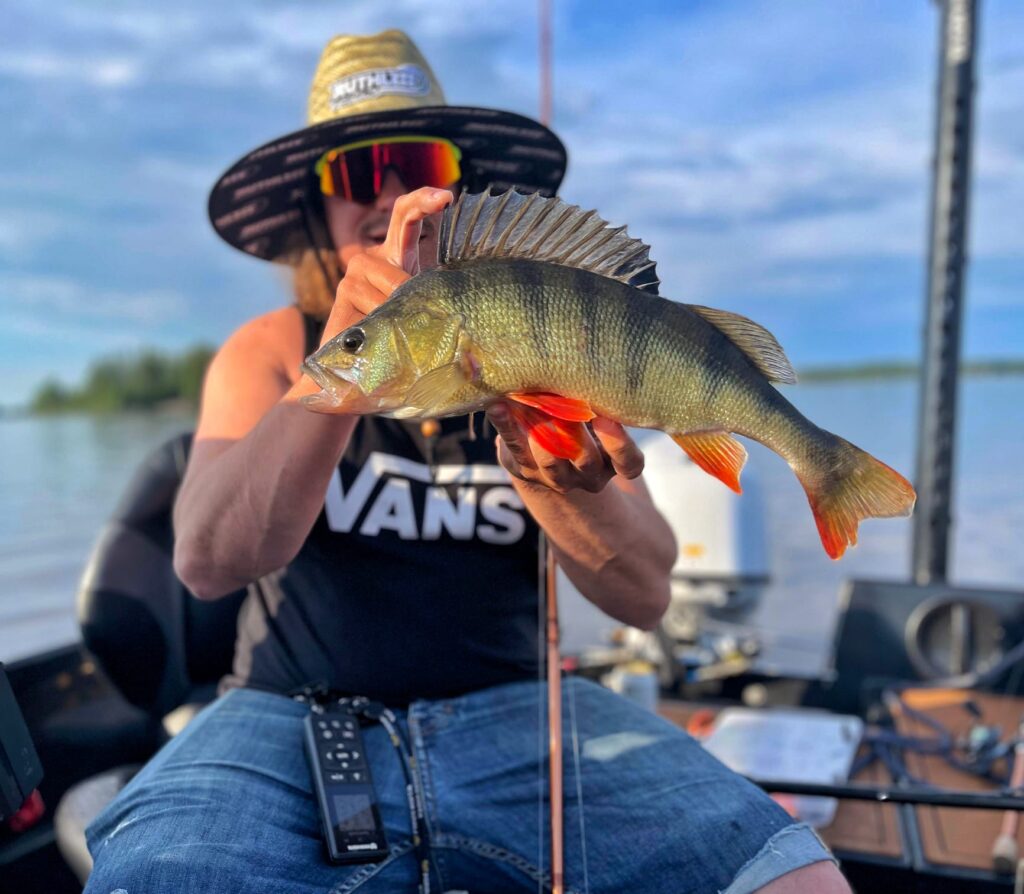
Crankbaits are a very effective lure choice in shallow and medium-depth water, meaning roughly 1-4 metres. Weedy, rocky and reef-strewn shallows and shoreline drop-offs in particular can offer excellent catches on crankbaits, both at sea and in inland waters. In reefy areas, it is worth trying to fish the reef from several different directions and edges. Crankbaits can often be a more effective alternative to a jig, especially among vegetation where a jig all too easily gets snagged on the bottom. Cast crankbaits work in shallow water especially in early and midsummer, when fish can be reached in the shallows.
Believe it or not, in certain situations crankbaits can be more effective for casting for zander than jigs and shads. On summer evenings, when the horizon begins to redden and the sun sets, baitfish rise to the surface. Beneath the surface, hard-jawed predators known as zander lurk after these baitfish. In these situations, when you pull out the crankbaits and cast a loud crankbait flashing its sides among the baitfish, you can almost brace yourself for a strike. With zander, there is no need to be shy about the size of the crankbait; you can easily cast crankbaits over 10cm to stir the zander's senses just below the surface. Zander are also very colour-aware fish, and you can try offering them even the oddest and loudest crankbaits.
Crankbaits are also more than a great choice for flowing waters. Rainbow trout and brown trout in particular love relatively small crankbaits of about 5-8cm, whose colour either imitates the natural baitfish population of the water or is truly loud. Our Holy Diver in the colour PINK, for example, has repeatedly proven to be an irresistible lure for brown trout and rainbow trout.
Watch the video to see how crankbaits work in flowing water
How Should Crankbaits Be Retrieved When Casting?
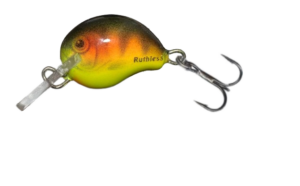
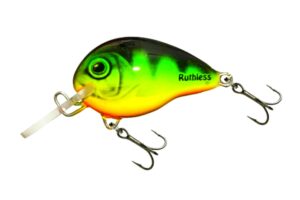
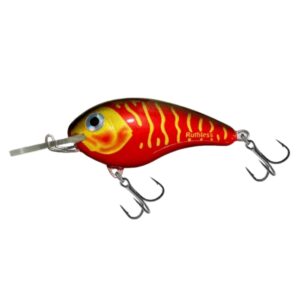
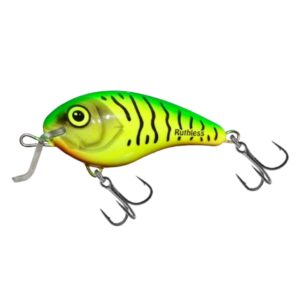
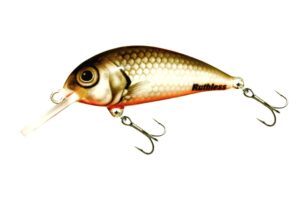
As with everything else in fishing, there are as many techniques as there are anglers. You can work a crankbait with a straight retrieve, and you can also try faster and slower retrieves. You can also add small twitches with the rod, as in jig fishing, which gives the crankbait a slightly irregular swimming action. With floating crankbaits you can also add pauses, letting the lure sit still and float for a moment. In flowing water, you can also let the current do the work for you. Choose an inviting rapid, the area behind a boulder or a smooth, mirror-like patch where the current is heading, and let the crankbait drift with the current to the spot you want to fish, while keeping the line slightly taut so that the crankbait gets a little movement as it drifts.

Jarno Kangas
Fishing content creator / Blog writer
Fishing Guide Student
Latest Posts
-
 BLACK FRIDAY – THE MOST ANTICIPATED SALE WEEK OF THE YEARNovember 6, 2026/0 Comments
-
 CHRISTMAS GIFT IDEAS FOR ANGLERS – DISCOVER OUR SELECTIONNovember 6, 2026/
-

-
 Ruthless Fishing Hard Lures for SummerJune 26, 2026/