
Choosing Jig Colours – Which Colours for Which Lake. What Works in Clear Water, and What in Darker Water? Does Light Matter?

It is almost impossible to give a completely correct answer to the question in the title, especially if you have no prior information about the lake being fished. When choosing a colour, it is better to live in the moment than to stick to a certain colour based on assumption. However, this article offers a few tips on which colours might presumably work in certain types of waters. This article is also useful if you are just starting out with jig fishing and your repertoire does not yet include a broad range of colours.
The tips in this article are based on the experiences of the author and other anglers, and they cannot guarantee that a particular colour will work perfectly in a given body of water.
If the lake is not familiar to you or you are only just getting acquainted with the secrets of jig fishing, it is best to start fishing with a jig of about 5 cm that imitates a natural small fish in colour. For example, in lakes with plenty of vendace fry, a natural-looking jig can be very effective, as it imitates the natural food of predatory fish.
As a jig model, it is best to start with either a traditional paddle tail or a slightly livelier paddle-tail style jig. In warm summer conditions, or when the fish are active, a sickle-tail jig is an excellent choice, whereas when the water cools or the fish are passive, you should definitely try “dead-swimming” jigs. These include various V-tail jigs, which are also used in vertical jigging.


You should only start choosing the colour once you have had some bites on a particular jig model. However, it is good to remember that if there are no fish, there will be no bites whatever lure you offer, which is why a sonar is an absolute aid in jig fishing. It is also worth keeping an open mind when choosing a jig colour and trying even the oddest combinations. Once you find the colour that gets bites, remember that it may change several times during the day, for example as the weather, wind or fish activity changes, so you should not rely too heavily on one productive colour either.
On an unfamiliar lake, you first try to find out what the lake's baitfish population is: vendace fry, vendace, roach, perch or something else. The jig type to start testing with is then chosen accordingly. For example, if the baitfish are larger bleak, roach or other higher-profile prey, you start working Orka Shad jigs in different sizes. If the water has plenty of small vendace fry or vendace, it is worth choosing a very slim-bodied Orka Small Fish jig with a dead-swimming action. This jig is my favourite model for lake fishing in general. Third comes the sickle-tail jig, which is an all-round workhorse. A lively, vibrating sickle tail can be the day-saver whether you are fishing at sea or on a lake. This sickle tail is often my own starting jig when fishing at sea.
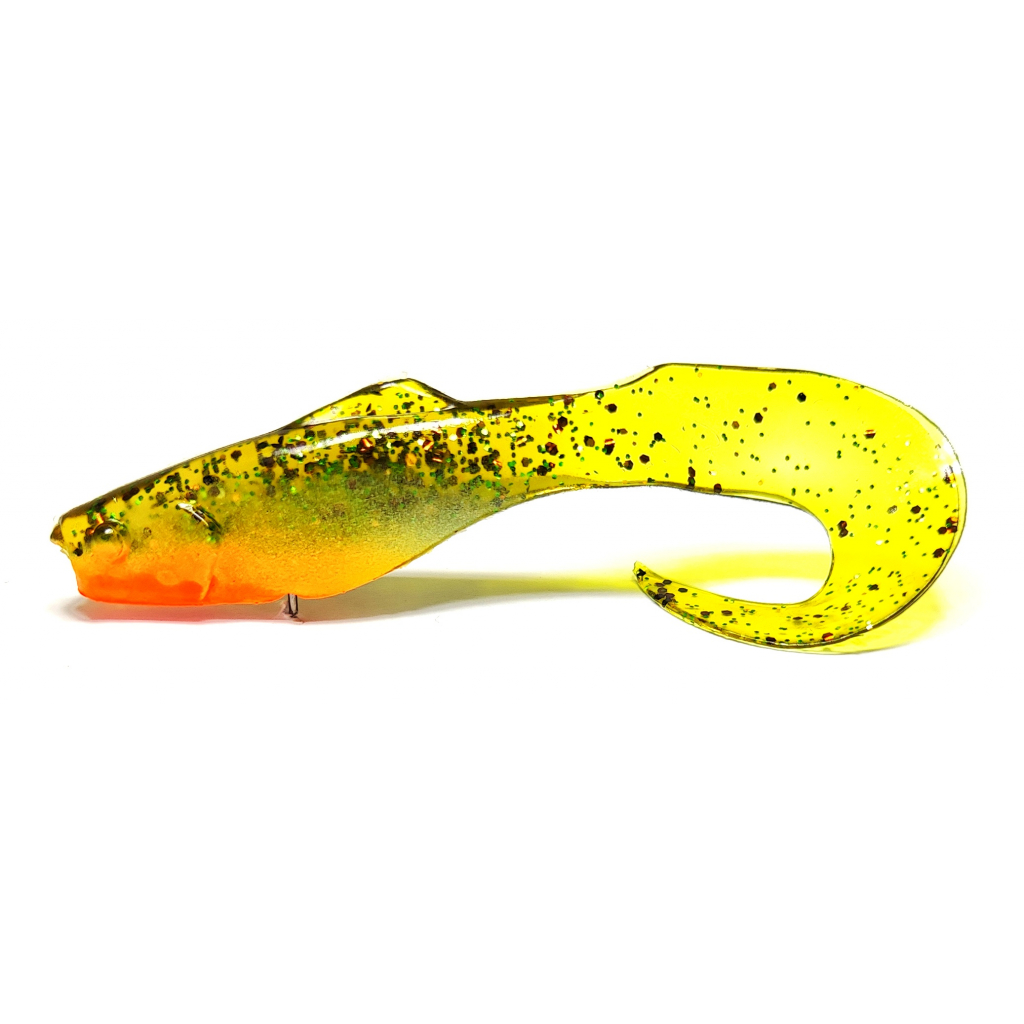
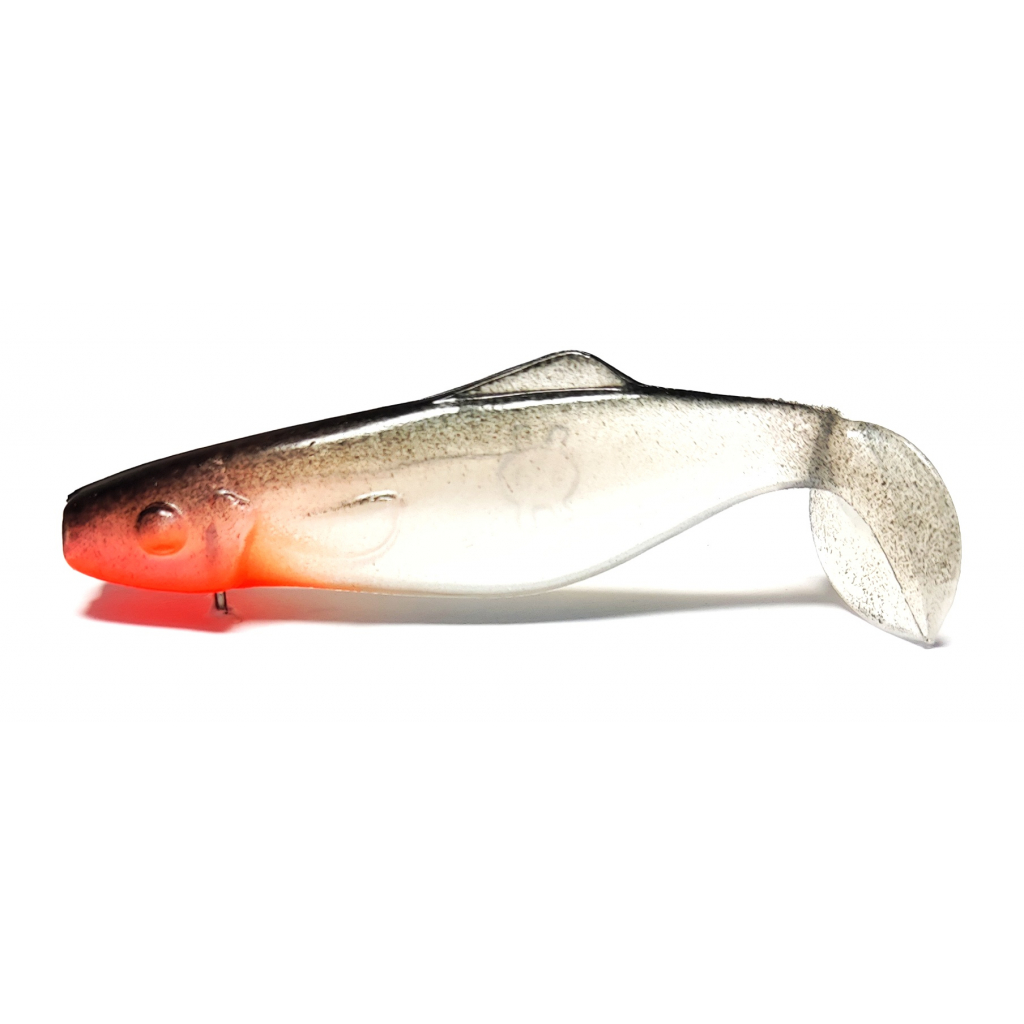
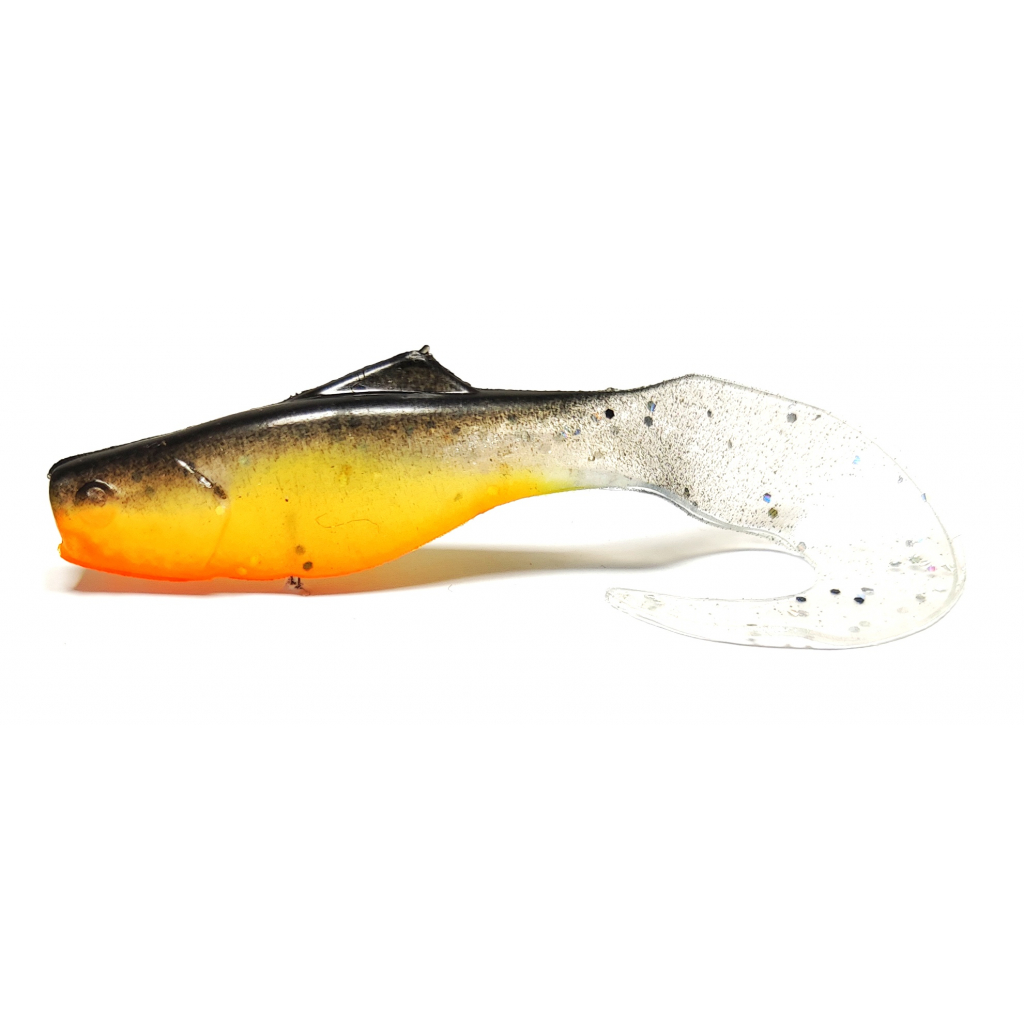
The jig colour is usually chosen according to the colour of the water. I like to fish a dark jig in dark water, and slightly lighter and natural-looking models in clear water.
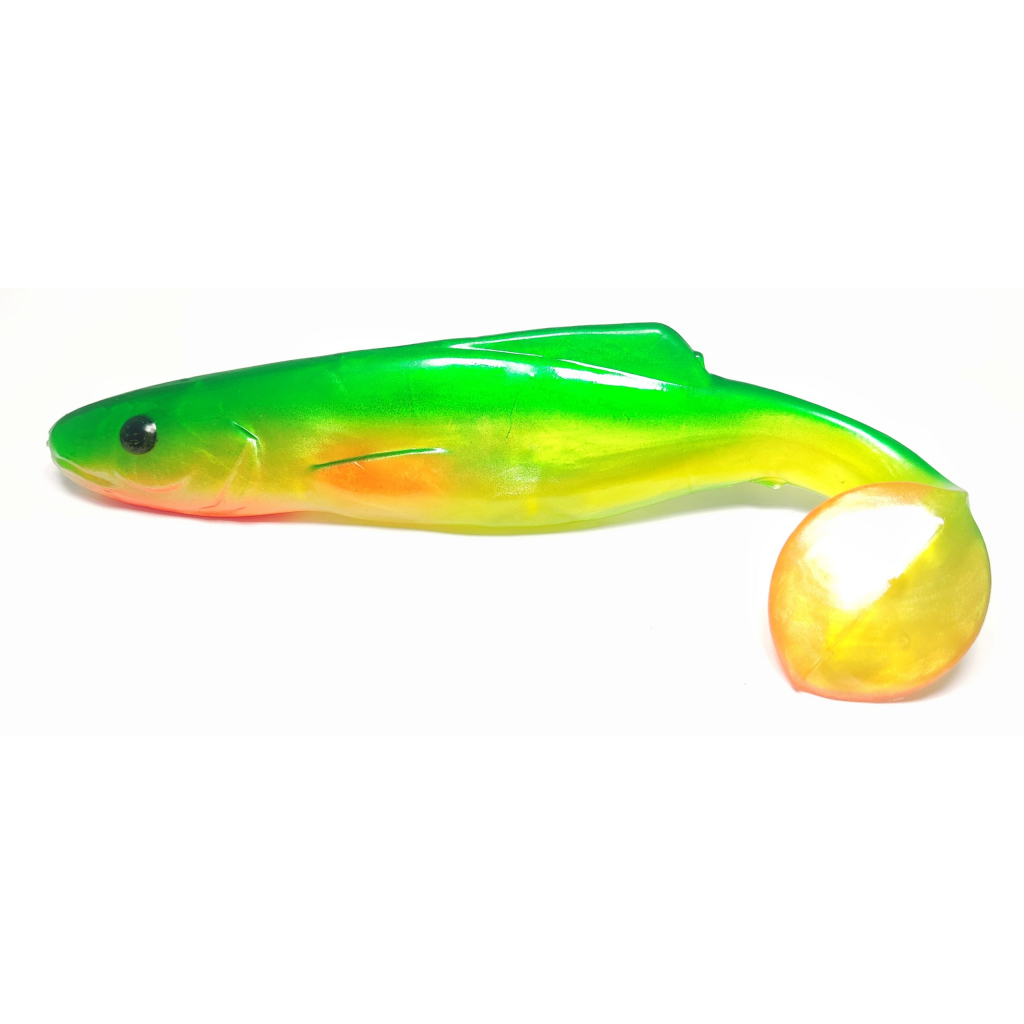
If the above do not work, then we try to solve the puzzle with bright attention-grabbing colours. These bright colours are often to the liking of pikeperch, for example.
Joonas Väntti – Ruthless Fishing
As mentioned above, in dark water slightly darker and more subdued colours usually work, while in clear water slightly lighter and colours that imitate natural baitfish have been right on target. Here, too, it should be remembered that this formula may differ completely in different bodies of water. It may also be that in a darker-watered lake, slightly brighter and more vivid colours are the thing right from the start.
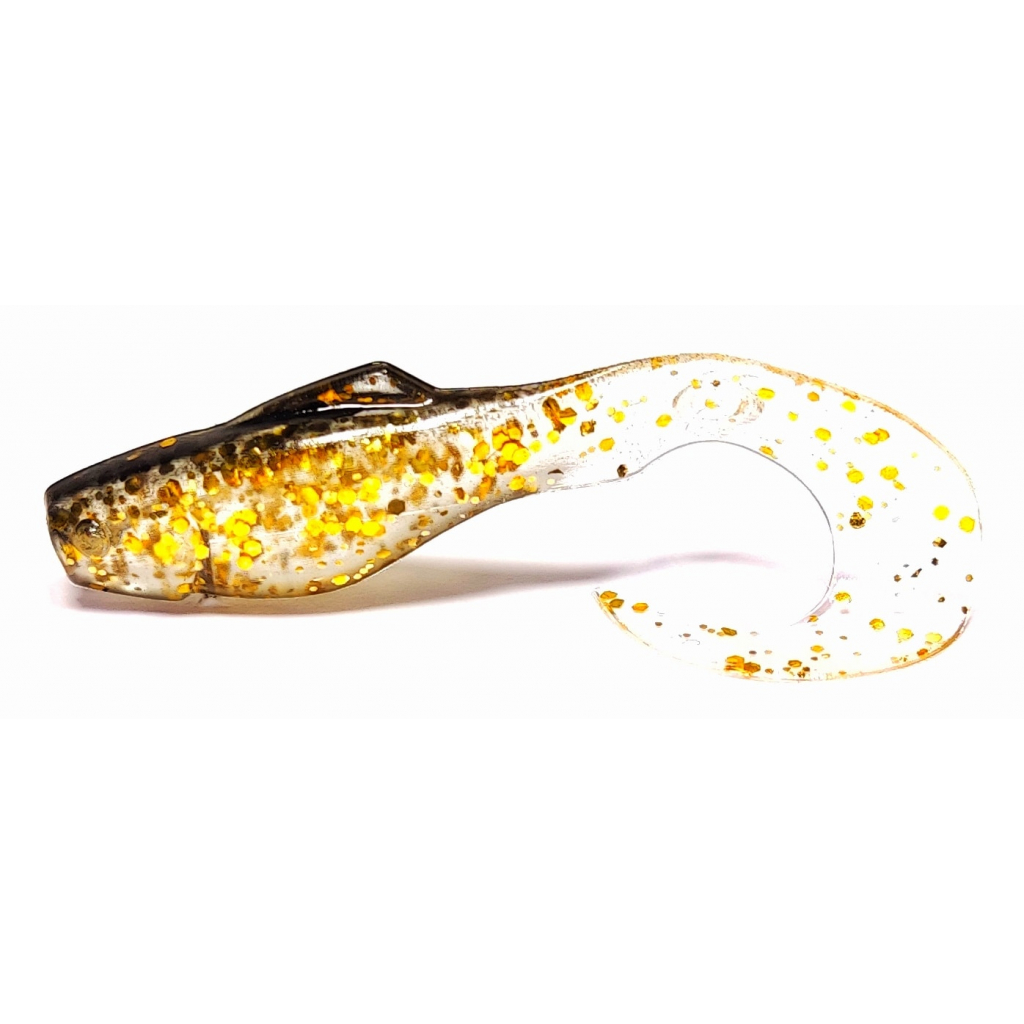
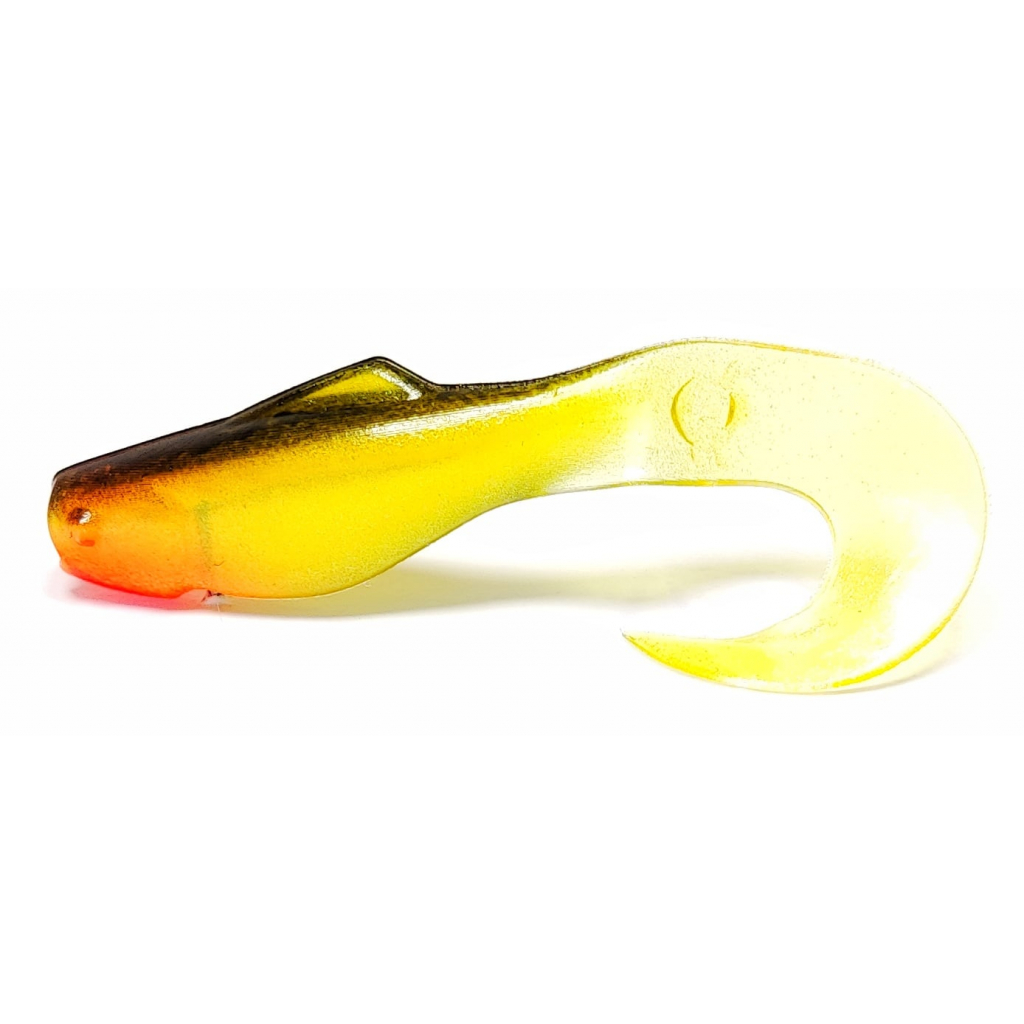
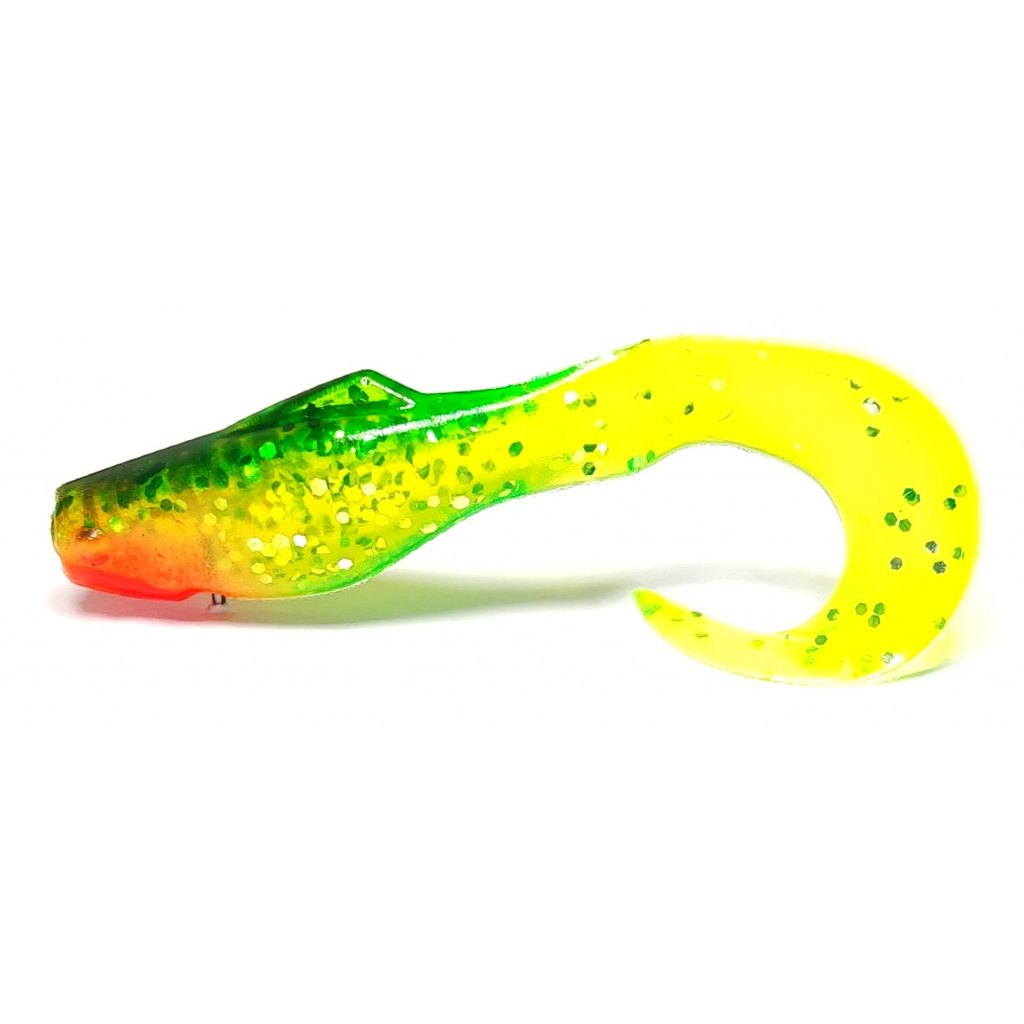
When going after fish by jigging, it is therefore worth bringing along a few colours from the colour chart and a few different models. Many more active jig anglers naturally have a large selection of different jigs, which helps when the fish have decided to be extremely selective. Many beginners or more casual jig anglers, on the other hand, do not have such a wide selection, so a “sample chart” has been compiled below showing what kinds of lures it would be good to have in your repertoire at the start.


Choosing the Right Jig Head Is Also Of Utmost Importance
Choosing the right jig head is one of the most significant factors in jig fishing. One of the most common questions about jig fishing is also what weight of jig head to choose, or what size of hook it should have. The jig head has an essential effect on how the jig swims, and when choosing one you must also take into account the water depth, the currents and temperature of the water being fished, and the wind. In warm water you can use a slightly heavier jig head than usual and try a slightly more aggressive retrieve. In cold water and late in the season, you can use somewhat lighter jig heads as perch begin to become a little more passive. In flowing water, a considerably heavier jig head can be used.
Use the following table to choose a suitable jig head for your lure
| Water depth | Jig head weight |
|---|---|
| 1 m | 3 g |
| 2 m | 4-5-6 g |
| 3 m | 5-6-7 g |
| 4 m | 7-8-10 g |
| 5 m | 10-12 g |
| 6 m | 10-13-15 g |
| 7 m | 10-13-15 g |
| 8 m | 13-15-17 g |
| 9 m | 13-15-17 g |
| 10 m | 15-17 g |


Jarno Kangas, social media influencer / Blogger
Latest Posts
-
 BLACK FRIDAY – THE MOST ANTICIPATED SALE WEEK OF THE YEARNovember 6, 2026/0 Comments
-
 CHRISTMAS GIFT IDEAS FOR ANGLERS – DISCOVER OUR SELECTIONNovember 6, 2026/
-

-
 Ruthless Fishing Hard Lures for SummerJune 26, 2026/