

When it comes to excitement, spectacle and the pure adrenaline of fishing, topwater fishing beats many other fishing methods. It is not only an effective way to catch predatory fish, but also a visual, rhythmic and incredibly addictive form of fishing, in which the angler gets to follow the action right on the surface of the water. The Plopper Popper from Ruthless Fishing brings a new dimension to topwater fishing that leaves no one cold – neither the angler nor the fish.
What on earth is a topwater lure?
A topwater lure (in Finnish pintaviehe) is, as the name suggests, a lure that moves on or just beneath the water surface and is designed to attract predatory fish with sound, movement and splashing water. There are many different types of these lures: poppers, walk-the-dog lures, frog imitations and many others. The Ruthless Plopper Popper belongs to the popper category, in which the large, concave face at the front of the lure splashes water as it swims, catching the attention of fish even from a long distance.

Topwater fishing is spectacular and entertaining, but it also demands precision, good timing and an understanding of how predatory fish behave. A successful topwater strike, in which a big pike or asp explodes out of the water onto the lure, stays in an angler's memory for a long time.
Ruthless Plopper Popper – king of the surface film
The Plopper Popper from Ruthless Fishing has been designed precisely for this purpose. Its floating body combined with a large front face ensures that the lure splashes and plops spectacularly on the water surface as it swims, producing just the kind of sound and movement that triggers a predator's hunting instinct.
The lure is 65 mm long and weighs 10 grams, which makes it versatile to use with different tackle. The package includes both traditional treble hooks and single hooks, with which the Plopper Popper can also be fished in denser aquatic vegetation, where many topwater lures easily get snagged.
There are six attractive color options to choose from, bright and natural shades for different weather conditions and water colors. With these lures you can bring the surface to life, whether it is a bright sunny day, dusk or a calm morning.
Ruthless Plopper Popper
The Ruthless Plopper Popper topwater lure takes the excitement of fishing to its peak!
Floating and splashing in the surface film, the Plopper Popper, thanks to its large front face, splashes water spectacularly…
The best moments of midsummer fishing
Topwater fishing shines especially on warm summer days. When the water temperature rises and predatory fish begin chasing small fish at the surface, it is time to dig out the topwater lures. July–August offers perhaps the best conditions in Finland for this style of fishing. Fish are active and there is often plenty happening on the surface: schools of small fish, insects and hunting fish.
The Plopper Popper works perfectly in exactly these situations. The lure creates ripple patterns and sounds on the water surface that resemble a fleeing small fish. Such a stimulus is often irresistible to a predator.
One of the great joys of topwater fishing is that the angler gets to see the strike. It may be a cautious rise to the lure or an explosive attack in which the fish leaps completely into the air. This visual quality makes the method especially addictive.
Target species – more than just pike
Topwater fishing is often associated with pike fishing, since the pike is an active surface predator. However, it also works for many other predatory fish. The Plopper Popper is designed to be a versatile lure that attracts several species.
Pike
In summer, pike often move into shallow, warm waters and favor the edges of reed beds and the vicinity of skerries. A topwater lure is an excellent choice when pike are hunting at the surface. The sound and movement of the Plopper Popper catch the pike's attention from afar, and a strike can come at any moment.
Perch
Although perch are not always associated with topwater fishing, they can be surprisingly aggressive toward the lure. Plopper Poppers can bring pleasant surprises when a school of perch gets excited and starts striking.
Asp
The asp is one of Finland's most interesting surface predators. It hunts especially in the surface film and often strikes impulsively at a splashing lure. Fishing for asp with the Plopper Popper can be extremely exciting, as the fish move quickly and the strikes are violent. Especially in flowing waters, for example on the Kokemäenjoki or the Kymijoki, the Plopper Popper works superbly when it is allowed to drift with the current and splash the water surface in an irritating way.
Rainbow trout and brown trout
Salmonids too, especially rainbow trout and brown trout, can be caught with topwater lures, particularly on warm evenings when the fish rise to the surface to snatch insects. Although these are not typical target species for poppers, surprising strikes are always possible, especially if the fish are active and the lure is worked successfully.
Lure retrieval techniques
One of the charms of topwater fishing is the variety of retrieval techniques. The lure is not simply cast and reeled back in – it can be brought to life with rhythm, pauses and twitches. Here are a few proven ways to work the Plopper Popper:
1. Steady retrieve
Suitable especially when the fish are active. Reel the lure in steadily so that it constantly splashes water and keeps up a steady sound. This pattern resembles a small fish fleeing at the surface.
2. Stop-and-go
Reel the lure a short distance, stop, let it float for a moment, and then continue again. The pause may trigger a strike when the following fish can no longer wait.
3. Twitching
Make short jerks with the rod while you reel in. This makes the lure behave unpredictably, like injured or erratically moving prey. It is a perfect way to arouse the interest of a wary fish.
4. Retrieving along the surface from the edge of the reeds
Especially effective for pike. Cast the lure right to the edge of the vegetation and reel it away from there. Many pike lurk in the cover of vegetation and attack the lure as soon as it comes into view.

Tips for successful topwater fishing
- Choose the right moment: Calm mornings and evenings are often the best for topwater fishing. Too strong a wind can make it difficult to spot the lure.
- Do not rush the hookset: When a fish strikes, patience pays off. Let the fish take the lure properly before you set the hook. Many missed strikes are caused by setting the hook too early.
- Use braided line: Braided line does not stretch, so you keep a good feel of the lure and your hooksets are more successful.
- Try single hooks: Especially in dense vegetation, single hooks reduce snagging and make it possible to fish in places where other lures do not work.

Jarno Kangas
Fishing content creator / Blog writer
Fishing Guide & Fishing Consultant
Latest Posts
-
 BLACK FRIDAY – THE MOST ANTICIPATED SALE WEEK OF THE YEARNovember 6, 2026/0 Comments
-
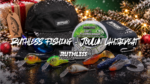 CHRISTMAS GIFT IDEAS FOR ANGLERS – DISCOVER OUR SELECTIONNovember 6, 2026/
-

-
 Ruthless Fishing Hard Lures for SummerJune 26, 2026/