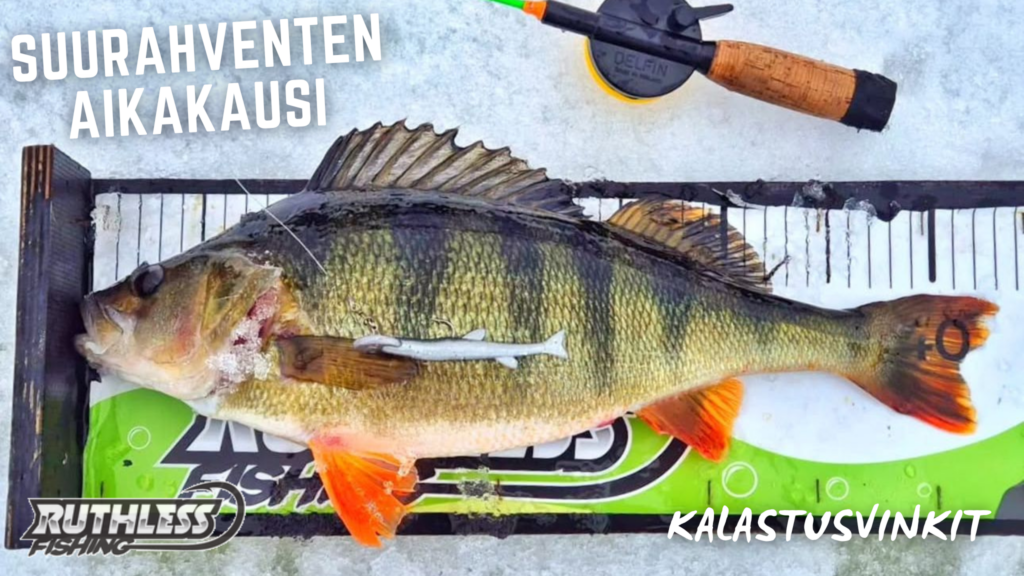
Just twenty years ago, a giant perch was a catch described as legendary. Fishing tales told on the cottage jetty were full of stories about giants weighing a kilo, which only a few had ever actually managed to catch. Giant perch were “the fish of a lifetime”, and finding one was rare. Today, however, perch over 40 cm long and over a kilo in weight have become so common that many anglers catch them regularly. How did we get here? Is this a lasting phenomenon, or merely a temporary stroke of good fortune? Let us dive deep into the background of this phenomenon and consider its significance for Finnish waters – and for us anglers.
1. A Shift in Fishing Culture: C&R, Selective Fishing and Anglers' Responsibility
“The fish never ran out of the lakes before, either”
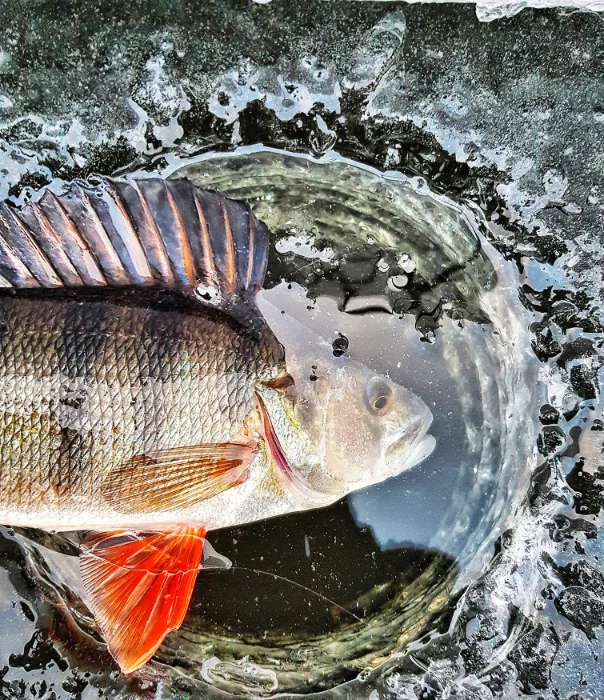
Finnish fishing culture has undergone a transformation over the past decade. Whereas in the past the entire catch was taken home for the frying pan, today's anglers are increasingly aware of responsible practices. Catch & Release (CR), or releasing fish, has become established especially for large perch, and many enthusiasts take it for granted. Releasing large fish allows them to continue reproducing, which ensures the vitality of fish stocks. At the same time, it gives others the chance to enjoy the feeling of a great success, even with the very same fish.
Finnish fishing culture has evolved, but not without resistance. Many older anglers recall a time when fish were always kept. But can we still afford to cling to the traditions of old when technology brings the fish closer than ever?
“Fish weren't released in the past, and they didn't run out of the lakes then!” This old saying is still heard from far too many. But is the world truly the same as before? In the past, giant perch were rare because finding them depended on luck and local knowledge. Now we have echo sounders, precise depth maps and fishing tips filling social media. Today's angler no longer guesses where the big fish are – they see them in real time. If every fish caught is taken out, how could this not affect fish stocks?
Selective Fishing: The Core of the Culture
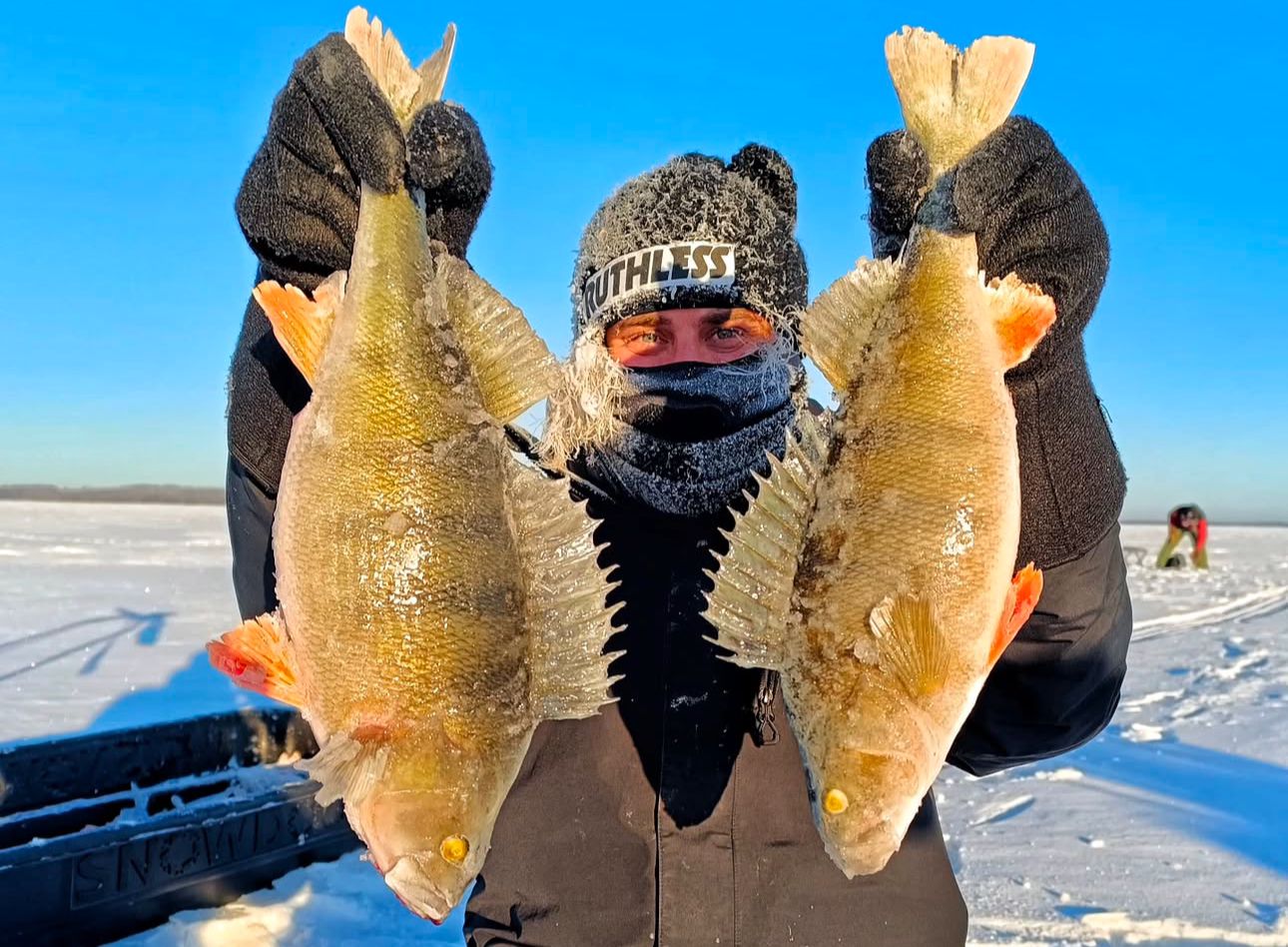
The principles of selective fishing, such as minimum and maximum size limits, have become rooted in fishing culture. Minimum and maximum size rules mean that the fish to be kept are chosen carefully: individuals that are too small are left to grow and the largest are released, as they are the most important for reproduction. This is not merely a rule, but for many anglers even a matter of honor. For example, perch 25–35 cm long are a suitable size for eating, whereas individuals over 40 cm are often returned to the water. Selective fishing – that is, keeping suitably sized fish for the table and releasing large individuals – is a basic principle of the responsible angler. Even so, the idea of CR fishing makes many anglers bristle. Perhaps behind it lies an old wartime mindset: everything that is obtained must be put to use. But the world is changing – and so should fishing culture.
Finnish Waters as a Source of Pride
Finland's waters are exceptional. The increasing prevalence of giant perch is a reminder that fishing culture, technology and natural conditions can together create something extraordinary. We have moved from a time when giant perch were rare to a time when they can be part of everyday fishing – but only if we take care of them.
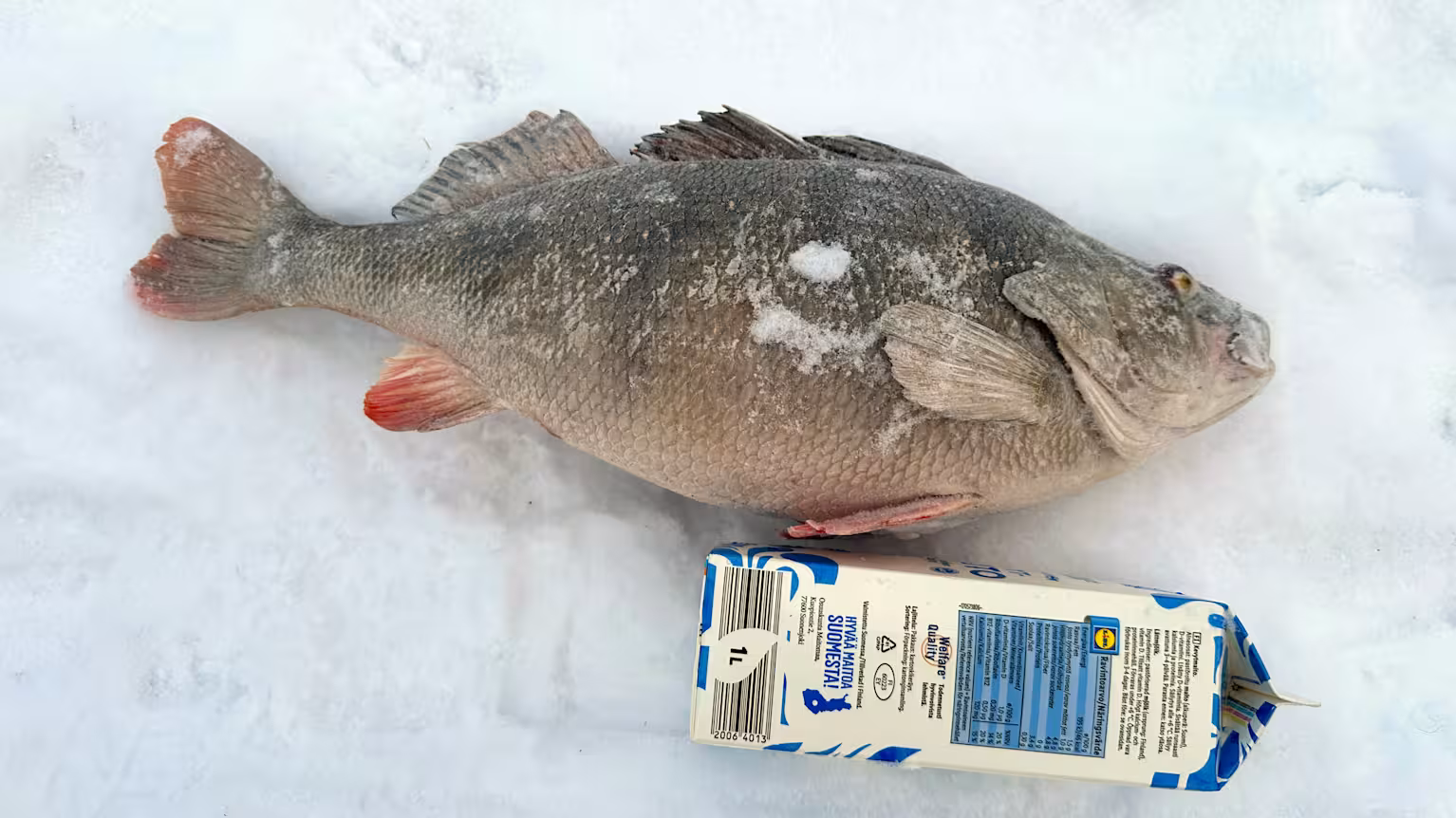
Matti Hannus of Oulu caught a perch in nets weighing 2.884 kilograms. The fish is about 54 centimeters long.
In the statistics of the 2000s, the current record perch weighed 2.87 kilograms. It was caught in 2010 with a rod and lure in Åland. Source: Yle
2. The Development of Technology and Anglers: The Underwater World Opens Up
“We now see what we previously did not know existed.”
Although giant perch seem to have become more common, is it possible that we have simply become better at finding them? Technological progress has transformed the hobby of fishing just as much as cultural change has.
It is naive to think that fishing pressure has not increased. In the past, giant perch were caught by chance; now they are sought systematically. The development of technology and fishing skills means that we are more efficient than ever. Today's angler can see straight under the water with an echo sounder and knows at what depths the big perch move. Real-time information about where and with what to fish is shared on social media. This is no longer the same sport as 50 years ago.
Every responsible angler understands that with today's equipment and knowledge, it would be easy to empty the waters of large fish. But if everyone took only what they truly need and released the most valuable individuals, fish stocks could still thrive decades from now.
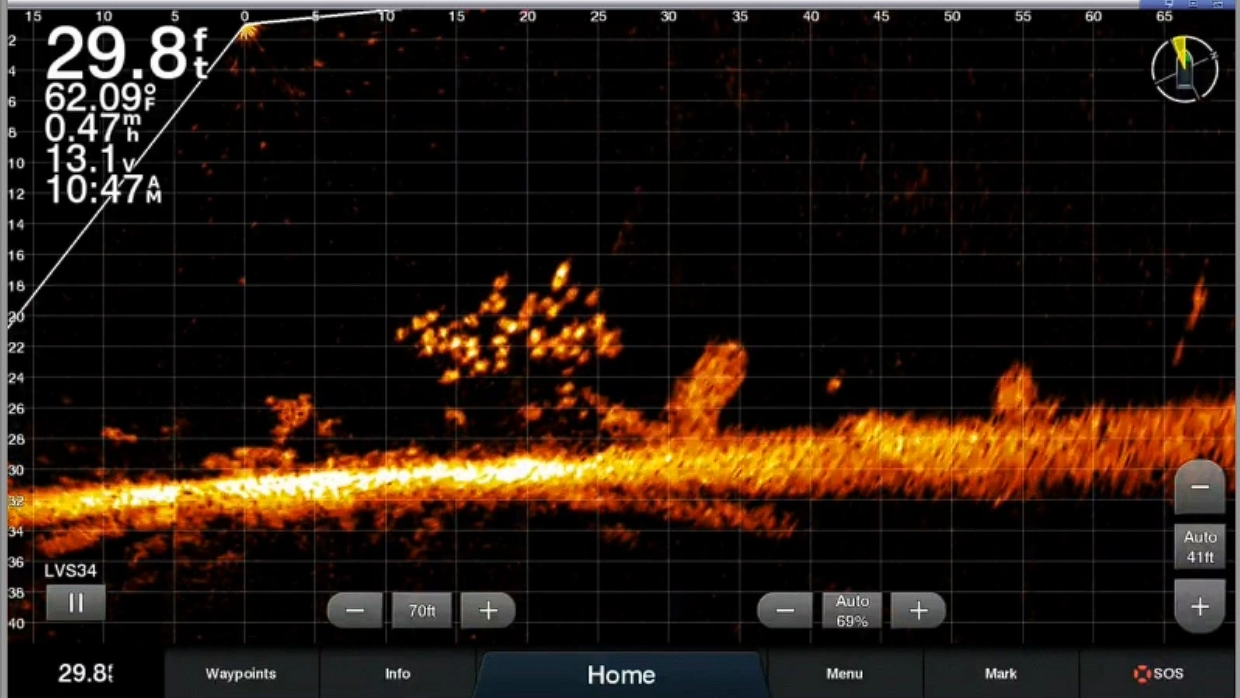
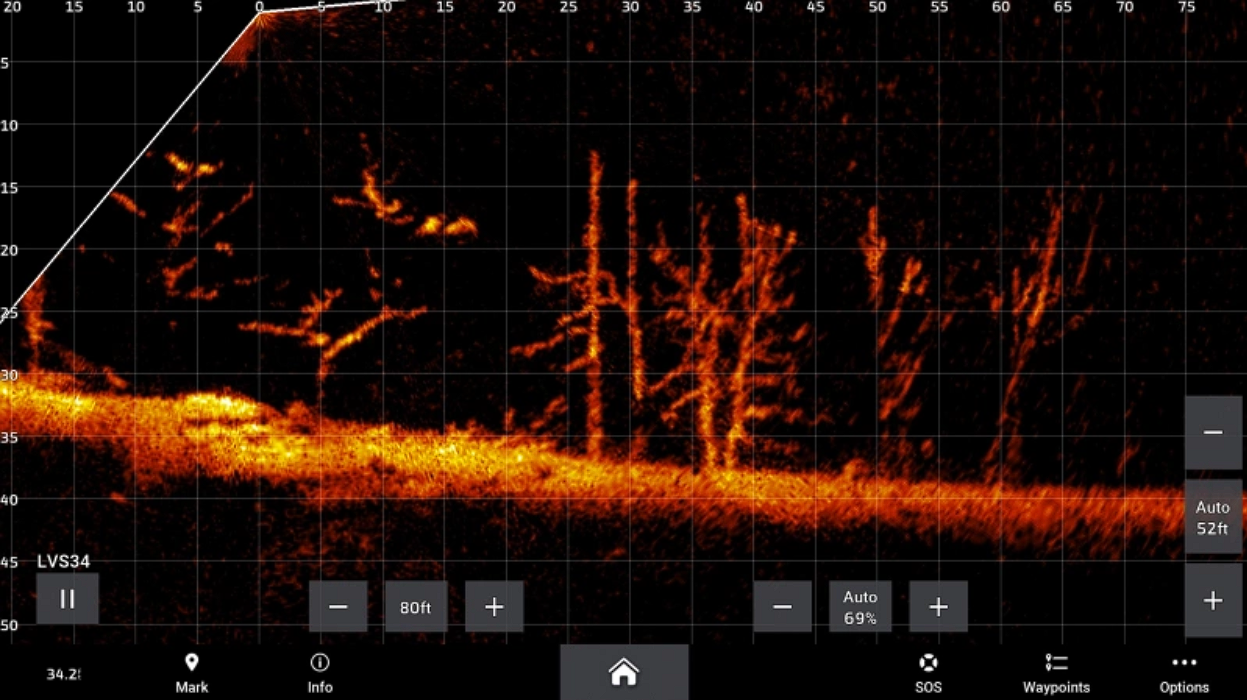
Another significant factor is map apps, which allow anglers to analyse lake depth charts and identify potential fishing spots. In the past, this information relied on gut feeling and tips shared among anglers, but now lakes open up to new enthusiasts like an atlas.
Fishing skills follow technology
Besides technology, fishing skills have also developed. Enthusiasts watch fishing videos, attend courses run by fishing guides and share information on social media. Perch behaviour and habitats are understood better than ever, which means catches are made more efficiently. This raises the question: have big perch really become more numerous, or have anglers simply become better?
3. The impact of climate change: warmer waters, bigger perch?
“Nature is changing the rules – but is that a good thing or a bad thing?”
Climate change is one of the greatest forces of nature, affecting everything, including fish stocks. Warming waters and longer growing seasons give perch ever better conditions to grow large. Perch thrive in warm waters, and the rise in temperature of Finnish waterways has given them a longer growing season. Warm water also means that the perch's main food, small fish and plankton, multiplies faster, providing big perch with plenty to eat. This partly explains why kilo-sized perch are no longer rare.
Eutrophication: a good or a bad thing?
Eutrophication, which is partly linked to climate change, affects perch stocks in contradictory ways. Increased nutrients can speed up perch growth, but at the same time oxygen depletion and algal blooms can worsen the fish's living conditions. Perch need oxygen-rich water especially in winter, and eutrophication can threaten their survival in certain waterbodies.
What about the future?
Warm waters may favour big perch now, but the long-term effects of climate change are uncertain. If waterway ecosystems are disrupted too much, the current big perch boom may prove temporary. This makes responsible fishing even more important – only a balanced environment can support sustainable fish stocks.
5. Water management: the driving force behind the success of big perch
“Good waters, better fish.”
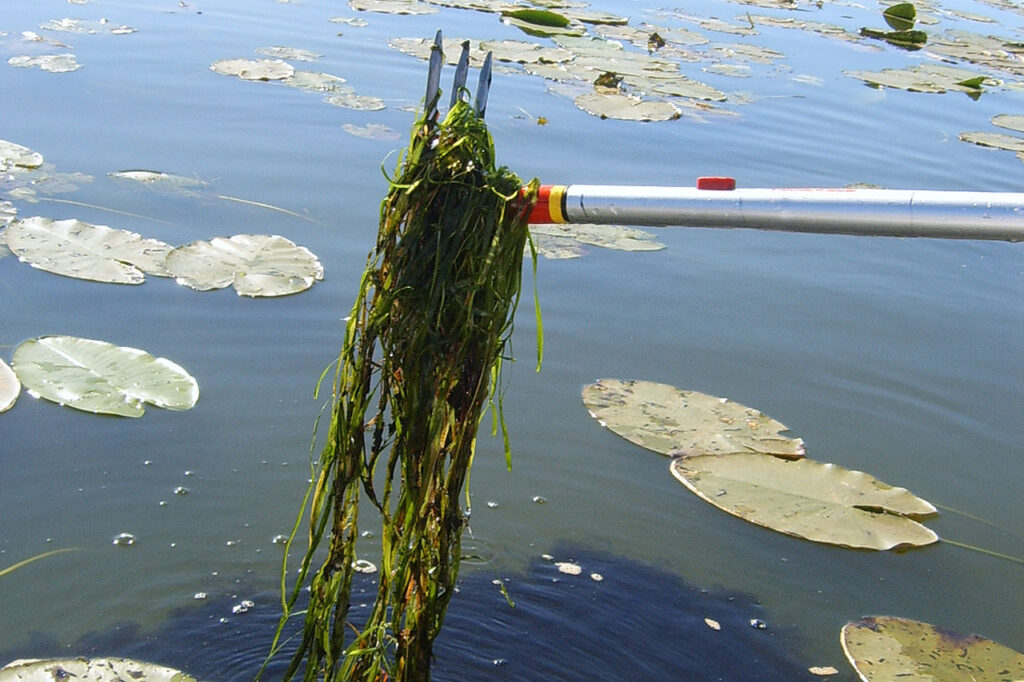
Although the increase in big perch can be partly explained by changes in fishing culture, technological development and the effects of climate change, one significant underlying factor is easily overlooked: the management and restoration of waterways. Improved conditions in Finnish lakes and rivers have in many places given big perch favourable habitats in which to grow and reproduce. Restoring waterways has been an important way to improve fish living conditions. For example, dredging and cutting aquatic plants in shallow, eutrophic lakes have helped restore balance to ecosystems. When nutrient build-up is controlled, the oxygen content of the water improves, which is vital especially for the survival of large predatory fish such as perch. The clarity and diversity of restored waters also attract anglers, which in turn raises the appreciation of these waters.
Management fishing and reducing external nutrient loading
Management fishing is one of the most concrete ways to improve the condition of lakes. Reducing cyprinid fish lowers the external nutrient load on a waterbody, since these species carry nutrients that accelerate eutrophication. At the same time, removing cyprinids frees up resources in the food chain for perch and other predatory fish, which supports their growth and strengthens their stocks.
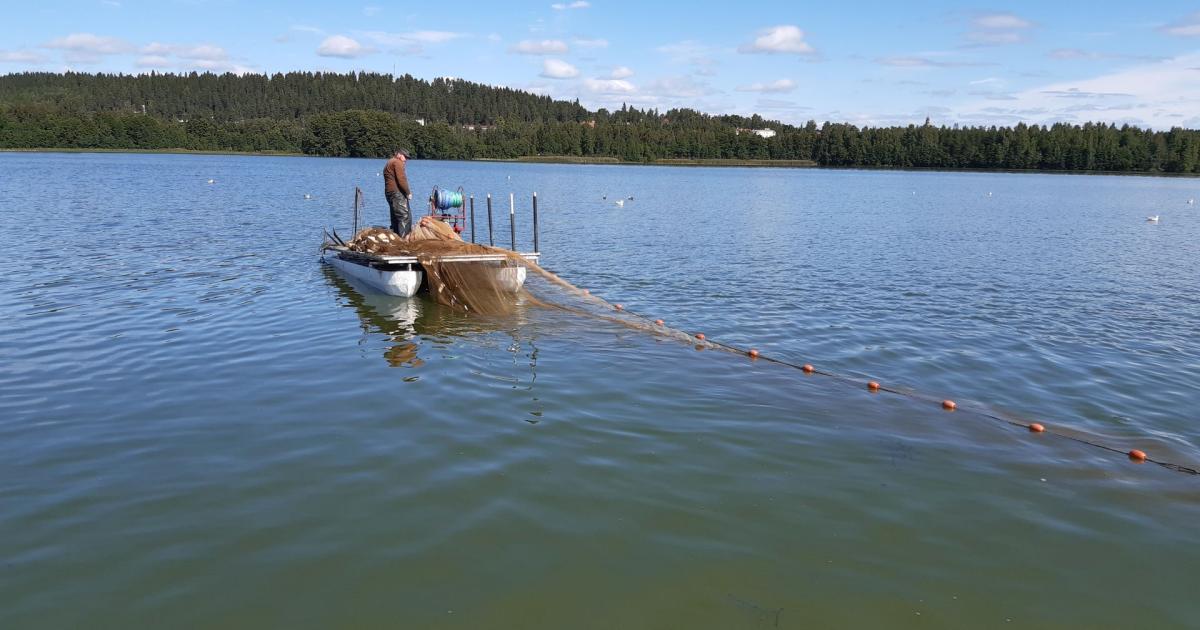
At the same time, managing external loading, such as nutrient emissions from agriculture and settlements, is critical. Measures carried out around waterways, such as building wetlands and treating runoff water, have been stepped up, which reduces the amount of nutrients ending up in lakes and rivers.
Working together for our waters
It is important to note that the restoration and management of waters are not the responsibility of individual actors, but require cooperation at many levels. Fishing clubs, local residents, environmental organisations and authorities work together to improve the condition of waterways. This long-term work ultimately shows in the joy of anglers – as clearer waters, healthier fish and more diverse lakes.

Jake Kangas
Fishing content creator / Blog writer
Fishing Guide Student
Latest Posts
-
 BLACK FRIDAY – THE MOST ANTICIPATED SALE WEEK OF THE YEARNovember 6, 2026/0 Comments
-
 CHRISTMAS GIFT IDEAS FOR ANGLERS – DISCOVER OUR SELECTIONNovember 6, 2026/
-

-
 Ruthless Fishing Hard Lures for SummerJune 26, 2026/